
April 25, 2025

Why Women Need More Muscle Blog Post
Training Tips & Strategy

The Truth About Why Women Need More Muscle: Strength, Metabolism, Longevity

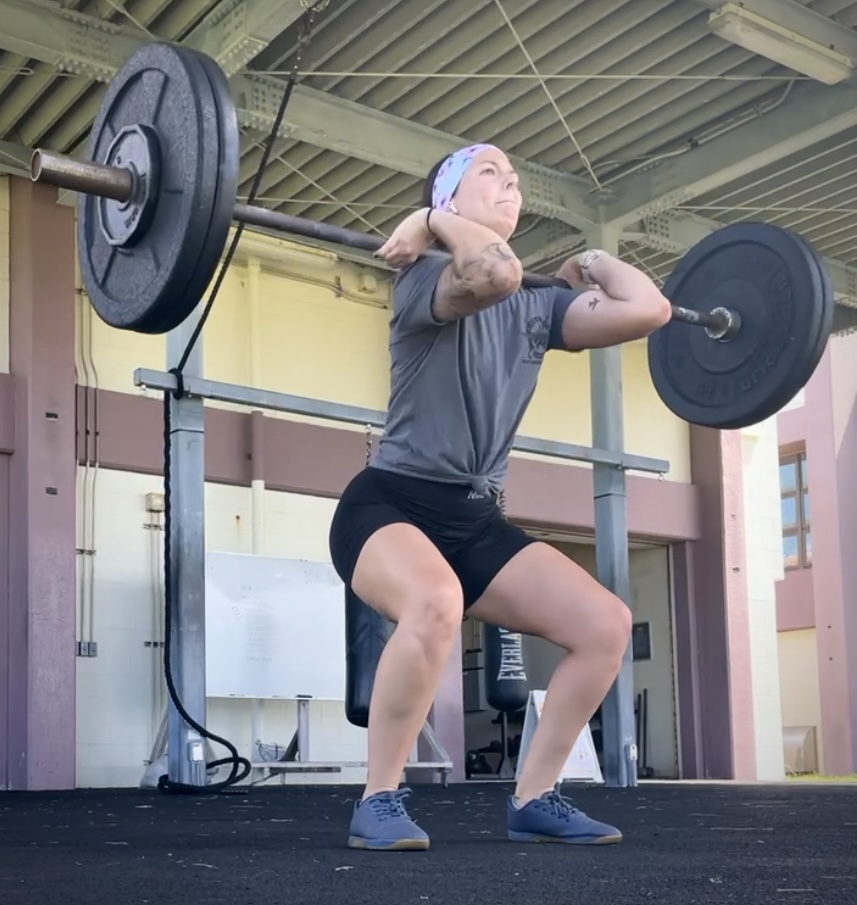
The Truth About Why Women Need More Muscle: Strength, Metabolism, & Longevity April 25, 2025 Muscle plays a critical role in metabolic health and disease prevention. It’s 2025 and yet I still encounter many women who avoid strength training, fearing it will make them appear less feminine and more bulky. Or, if they do weight lift it’s the focus is on light DBs and no intensity or grit. The truth about why women need more muscle? Building muscle enhances your metabolism, supports hormone balance, and promotes longevity …and yes, of course, it makes you strong and sexy, too. Muscle is the body’s largest endocrine organ, and plays a crucial role in metabolic health and disease prevention. Let’s deep dive into some information backed by data that suggests without argument that anyone and everyone should pursue strength training. If you are a woman who is reading this, yes, women need more muscle, including you. If you’re not a woman, please share this with the most important women in your life. Strength Makes Life Easier Bold yet truthful statement: When you are stronger, everything in life is easier. From carrying groceries and moving furniture, to playing with your kids and staying independent as you age… strength gives you freedom. Women need more muscle because it builds physical resilience, protects your joints, improves posture, and boosts daily energy. Strength doesn’t just change your physique or make your workouts easier, it changes how you move through your entire life with more ease, confidence, and capability. More Muscle Means Better Metabolism First, let’s breakdown Resting Metabolic Rate (RMR): Your RMR is the amount of energy (calories) your body uses at rest to maintain basic functions like breathing, circulation, and digestion. RMR accounts for roughly 60–75% of your total daily energy expenditure (TDEE). Why is RMR important? Knowing your RMR helps you accurately estimate how many calories you need to maintain, lose, or gain weight. A very low RMR can sometimes signal issues like hormonal imbalances, under-eating, or chronic stress.  Factors that influence RMR include age, sex, genetics, nutrition, sleep, stress, and exercise and lean muscle mass. Muscle tissue is more metabolically active than fat. This means protecting and building muscle helps support a higher RMR over time, helping to combat the natural decline in metabolism that comes with age. Strength training done correctly increases lean body mass. The more muscle you have, the more calories your body burns at rest, making it easier to maintain your physique, support metabolic health, and protect against weight regain. Higher muscle mass also improves insulin sensitivity, making it easier for the body to regulate blood sugar. Strength training has been shown to reduce visceral fat, which is the type of fat stored around internal organs that is most closely linked to disease risk (1). Quick Note: While often used interchangeably, Basal Metabolic Rate (BMR) and Resting Metabolic Rate (RMR) are not the same. BMR measures the minimum energy your body needs to perform essential functions in a completely rested, fasted state. RMR measures the energy burned at rest in more practical, real-world conditions, including light digestion or minimal movement. RMR is generally the more useful number when planning your nutrition and training. Muscle Enhances Hormonal Health Strength training plays an important role in supporting hormone function, especially as women transition through different life stages, particularly during phases like perimenopause and menopause when estrogen levels decline.  This decline in estrogen can lead to changes in body composition including decreased lean muscle mass, increased fat storage, decreased bone density, and a slower metabolism. These hormonal changes can also contribute to symptoms such as fatigue, mood disturbances, disrupted sleep, and an increased risk of insulin resistance. The time to focus on strength training as a woman to support your hormones later in life? Your 20s and 30s. It’s never too late to start, but the best time to incorporate strength training into your life if you haven’t already is… today. Here’s how strength training supports better hormonal health in women: Muscle mass improves insulin sensitivity, which helps regulate blood sugar levels and reduce fat storage. Resistance training stimulates growth hormone and IGF-1. Two hormones that aid in muscle growth, tissue repair, and fat metabolism. Regular strength training workouts can help lower chronic stress, thus reducing its negative impact on body composition. By preserving muscle mass, you also protect bone density, reducing the risk of osteoporosis and fractures later in life. Research shows that women who prioritize strength training during midlife maintain better body composition, stronger bones, and a healthier metabolism compared to those who rely only on cardiovascular endurance exercise or dieting alone (2). Muscle Promotes Longevity Maintaining lean muscle on your body isn’t only important for aesthetics as you age, but it also plays an important role in how well you age. Low skeletal muscle mass, sarcopenia, is strongly associated with higher rates of chronic disease, functional decline, and early mortality (3). Muscle acts as a reserve and protector of your metabolic health, mobility, and independence as you get older. Here are five ways increased muscle promotes longevity, and are hopefully the last examples to help convince you to either 1) stick with the routine you have 2) starting a strength training program ASAP: 1. Strong muscles allow you to perform daily activities (walking, climbing stairs, lifting groceries) without assistance. The stronger you are, the longer you will be able to be independent in life. 2. Maintaining muscle mass improves balance, stability, and joint integrity, lowering the risk of serious injuries like hip fractures. 3. Increased muscle helps the body manage blood sugar, cholesterol, and inflammation. These are all factors in preventing heart disease, diabetes, and age-related cognitive decline.  4. Muscle serves as a reserve of amino acids, which are crucial for immune system repair and response during illness or injury. 5. More muscle mass is linked to better recovery outcomes after surgeries, hospitalizations, and periods of illness. Women with greater relative muscle mass have a significantly lower risk of developing

5 Signs You're Making Progress Blog Post
Training Tips & Strategy

How to Tell if Your Workout Plan Is Working: 5 Signs You’re Making Progress

How to Tell if Your Workout Plan is Working:5 Signs You’re Making Progress April 25, 2025 5 Signs Your Workout Plan Is Working …beyond the scale. If you’ve ever wondered how to tell if your workout plan is working, you’re not alone. Many people commit to a training plan but aren’t sure what real progress looks like, especially beyond the scale. In fact, the scale might not move at all in the beginning. Maybe it does move, but nearly not as much as you anticipated. You might not feel sore. So how do you actually know if your fitness program is effective? Up next, I  break down 5 clear signs your training is working the beyond your weight, how much you sweat, or soreness. Whether you’re a seasoned lifter following a strength training program, just getting back into a routine after time off, or are a complete beginner these indicators will help you measure workout progress the right way. 1. You’re Getting Stronger: A Clear Sign Your Workout Plan Is Working If you are on a training program, it is likely you are tracking sets, reps, workout history, etc. (and if you’re not, you absolutely should be, but that’s a conversation for a different post). Signs you are getting stronger include: you can lift heavier weight than when you started, you can do more reps with the same weight, movements that once felt hard now feel easier, and you can maintain better control through a full range of motion. Additionally, if you’ve had to do any exercise with assistance, you might need less added resistance for movements  like pull-ups or dips. 2. Your Performance is Improving Improved performance is equally as important as improved strength when measuring progress. The work performance is broad and all-encompassing, but specific examples that demonstrate your progress include: You complete workouts faster or with better pacing. Your endurance during circuits or conditioning has increased. You notice you are out of breath less. You can maintain higher levels of effort during your session without burning out. You recover quicker between training sessions. Not only should you be able to push harder, when you do, your breathing and heart rate will return to baseline faster. 3. You’ve Built a Routine (& are Consistent) This one is often overlooked as a measurement of progress. Myself and many other fitness professionals hammer this because it is so critical to your success. You can have the best intentions and the best training plan, but if you don’t stick with it none of that matters.  Things that you should take note of include if you’ve followed the same program for 8–12+ weeks, you rarely miss planned workouts, you resist the urge to jump from plan to plan, and you prioritize tracking your sessions. Consistency should also be measured against how much you rest and recover, not just how frequently you train. Remember, the adaptations that lead to progress happen outside of the gym, during your recovery period! 4. You Feel Better Day to Day Hopefully one of reasons you workout is to feel better. We all want more energy, a more stable mood, and a clearer mind. You may notice you feel better with a consistent routine if… You sleep deeper and wake up feeling more rested.Your energy levels are more stable throughout the day.Your mood is more even and less reactive day to day.You experience fewer aches, pains, or nagging injuries.Your digestion and appetite regulation improve. 5. Body Changes Without the Scale: Proof Your Training Plan Is Paying Off Better fitting clothes is the classic non-scale victory and for good reason. When your clothes fit better you’ll be more confident. When your confidence improves it seems like everything else around you improves. Aside from the obvious that your jeans or pants feel looser in the waist, or your shirts fit better across your shoulders or arms, non-scale clothes fit differently markers of progress are: You notice better muscle tone in the mirror. Areas that used to feel “soft” feel firmer. You feel stronger and more confident in your clothes. You may experience these changes in your body even if the scale doesn’t move much or stays the same. Strength, performance, consistency, recovery, and body composition tell a clearer story. If you feel like you’ve been doing all of the right things, but you’re not seeing these signs yet… You might not need to train harder, just smarter. I can help you with that. Check out my available programs designed to help you build strength and see real progress. If you want to learn more about how I can help you, schedule your free discovery call here. More Posts Like This No posts found!

Chia Seed Recipe Blog Post
Nutrition & Meal Prep, Recipes

4 Easy Chia Seed Pudding Recipes for Meal Prep and Gut Health

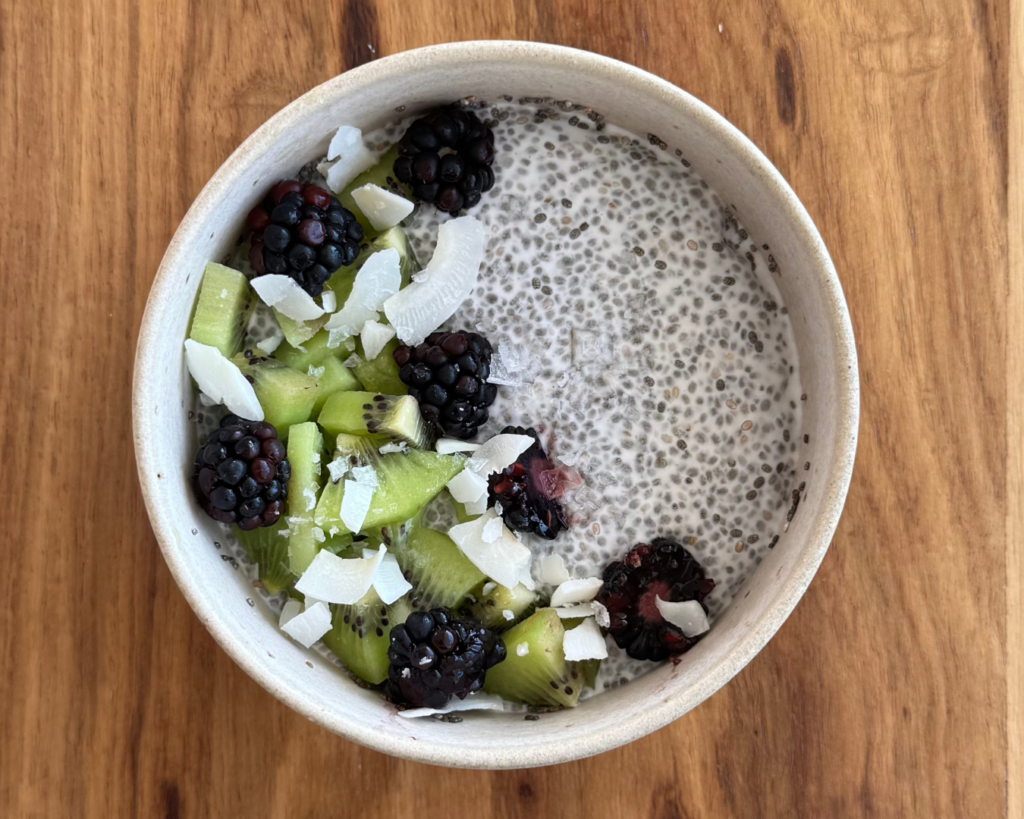
4 Easy Chia Seed Pudding Recipes for Meal Prep and Gut Health April 25, 2025 Simple, nourishing, and endlessly customizable. My easy chia seed pudding recipes are perfect for meal prep and support gut health with fiber and healthy fats. All variations are refreshing, with keep you satiated, and will satisfy your sweet tooth. Be sure to save these healthy breakfast ideas so you can continue to make them as part of your meal prep week after week! Not only are these great for breakfast, you can enjoy these any time of day for a fiber-packed snack or dessert. Classic Coconut Ingredients 1 (13.5 oz / 400 mL) can full-fat coconut milk1/4 – 1/3 cup water (to thin)2 tsp honey4 tbsp chia seedspinch of sea salt Suggested Toppings unsweetened coconut flakeskiwimangoblackberriespassion fruitsliced almondshemp seeds Refreshing Lemon Ingredients 1 (13.5 oz / 400 mL) can full-fat coconut milk1/4 – 1/3 cup lemon juice2 tsp honey4 tbsp chia seedszest of 1 lemonpinch of sea salt Suggested Toppings extra lemon zestchopped pistachiosstrawberriesblackberriesblueberriesculinary lavender Berry Vanilla Ingredients 13.5 oz / 400 mL milk of choice1/4 – 1/3 cup water (to thin)2 tsp honeysmashed mixed berries4 tbsp chia seedssplash of vanilla extractpinch of sea salt Suggested Toppings strawberriesraspberriesblackberriesblueberriesgoji berriesfresh mintfresh basil Chocolate Chai Ingredients 13.5 oz / 400 mL coconut or whole milk1/4 – 1/3 cup water (to thin)1 tsp cacao powder1/2 tsp cinnamonpinch of ground ginger pinch of ground cardamom2 tsp honey or maple syrup4 tbsp chia seedspinch of sea salt Suggested Toppings toasted almondstoasted cashewstoasted coconutcacao nibsfresh figs and now to bring it all together As you have noticed for all of these: the base is the same at 400mL (13.5 ounces) of liquid and 4 tablespoons of chia seeds. You may add a bit more liquid or a bit less chia if you’d like a thinner pudding consistency. The inverse for thicker. Combine all ingredients in a mixing bowl. Let sit on the counter for 10-15 minutes and mix again to break up any clumps that may have formed. Transfer into your food-safe meal prep containers (glass) and refrigerate. Let sit for at least 4 hours or better overnight.  Serve topped with the above suggestions or anything else you have on hand.  Why should you eat chia seeds in the first place? Check out this article from one of my favorite recipe websites, Downshiftology. Three questions I get asked: Should I eat this by itself for breakfast? You can do anything you want, but eating this alone depends on your goals. Chia pudding is high in fiber and healthy fats, but relatively low in protein. For a balanced, complete meal, pair it with another protein source (eggs, any meat, greek yogurt). How can I add protein? Mix in a scoop of your favorite protein powder or collagen. Mix in greek yogurt before eating. Adding nuts and seeds are a great additions for healthy fats and a little extra protein bump. How long will this last in my fridge? Chia pudding keeps well for 4–5 days. Make sure you store it in an airtight container or individual jars for grab-and-go convenience. Stir before serving or add a splash of water if it thickens too much. More Posts Like This No posts found!

Scroll to Top