This past Sunday, January 4th, I turned 34 after what felt like a blur of the previous year.
One thing I’ve always liked about having a birthday in early January is that it gives me a natural pause and the opportunity to reflect twice: once on the year we all just finished, and once on the personal year that shaped me more quietly, behind the scenes.
I don’t think wisdom arrives all at once. It comes in pieces—through repetition, through mistakes, and through finally being honest with yourself about what is and is not working anymore. As I looked back, I started noticing patterns and this ended up making me realize my own growth journey started a decade ago after my mother died. And while that set everything in motion, the last five years have been especially formative.
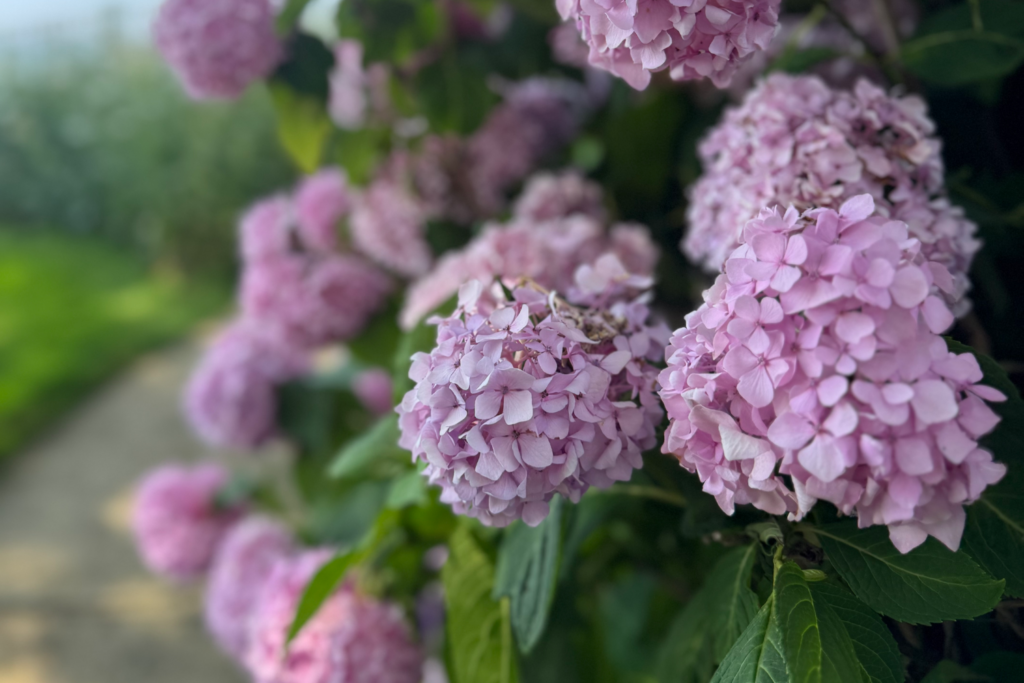
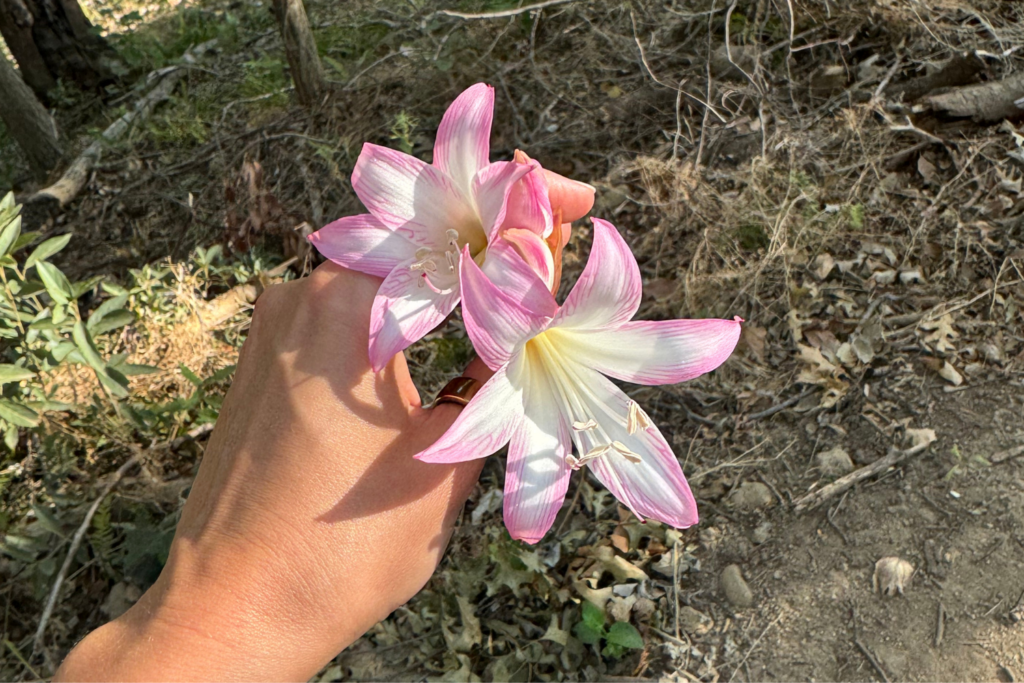
Without further ado, here are the 34 that stood out to me, in no particular order, and broken up with some of my favorite photos I’ve taken over the last year:
1. Peace is a better metric than productivity.
For a long, long time I measured my days (and inadvertently my worth) by how much I got done. I think many people can resonate with this, especially if you are participating in the U.S. work culture. I see a lot of people talking about working sun up to sun down like it’s a flex, or if you want success you must “hustle harder.” If I was busy, I felt successful. If I slowed down, I felt behind.
Eventually I noticed something uncomfortable: the most productive seasons of my life weren’t always the healthiest ones. Does this also ring true for you? What actually started to shift things was paying attention to how I felt at the end of the day. Calm. Regulated. Present. Or wired, depleted, and already bracing for tomorrow. Productivity stopped feeling like a useful scoreboard once I realized how often it came at the expense of peace.
2. Consistency always beats intensity, especially when life gets busy.
I used to believed that progress came from going all in. Big plans. Big effort. Bigger energy. if I could just commit harder, train harder, work longer, push more… everything would eventually fall into place.
But life doesn’t really cooperate with that approach. Travel, stress, grief, work, relationships—something is always shifting. Every time my routine got disrupted, I’d feel like I had to start over, which was exhausting.
What finally changed this was focusing on what I could return to no matter what. Shorter workouts. Fewer non-negotiables. Systems that could flex instead of collapse the moment life got full. I stopped trying for a perfect execution and instead started staying in the relationship with the habit, even when it looked different than planned.
3. Not everyone who is a part of your story is meant to be a part of your story forever.
Admittedly, I still struggle with this one, but I am aware of it and actively working on it. I used to equate longevity with loyalty. If someone had been in my life for a long time, I felt a responsibility to keep them in it, even when the relationship no longer felt aligned.
However, relationships have seasons, just like everything else. Some people are meant to walk with you through certain chapters, teach you something important, or reflect a version of yourself that you needed at the time. That doesn’t mean they’re meant to come with you into every next phase.
Letting go doesn’t have to happen dramatically. Sometimes it can look like creating more space, allowing less access, or giving fewer explanations. This shift helped me release relationships without villainizing anyone, including myself.
4. You don’t need to earn rest.
For most of my life, rest felt conditional. Something you got after you finished everything on the list. After you worked hard enough. After you proved you deserved it. Rest was the reward, not the baseline.
The problem with this logic is that the list never actually ends. There’s always something else to do, something more you could be doing (right?). Rest is a requirement for functioning well. Especially if you’re someone who carries a lot of responsibility or tends to be high-capacity. Waiting until burnout to slow down is self neglect, not discipline as it’s often sold.
Right now, my rest looks like honoring slow mornings and having a dead stop time for work, even though realistically I could work through the night every night and not run out of projects to do.
5. Resting before you’re exhausted is a skill worth learning.
Initially when I first accepted that rest was necessary, I still tended to wait too long. I’d push until I was depleted, irritable, or getting sick and then I’d slow down. Rest became reactive instead of preventative.
I had to learn how to notice early signals. Subtle fatigue. Shorter patience. The sense that everything felt just a bit heavier than usual. Those signs were easy to ignore, especially when I was used to powering through.
Resting felt indulgent at first. Like I was stopping too soon. But over time, I noticed that doing so kept me more regulated, more consistent, allowed for more creativity, and I was less likely to spiral into full burnout.
6. Having a high capacity doesn’t mean being endlessly available.
High capacity used to feel like a compliment, and I treated it like a responsibility. Because I could handle a lot, I often did. More work. More emotional labor. More availability, including tending to work inquiries over the weekend. I literally had zero days where I wouldn’t not work.
What I didn’t realize at first was how often my capacity was being confused with obligation, sometimes by others, but often by me. I said yes because I could. I stayed accessible because it felt easier than disappointing someone. And then slowly, my own needs started coming last.
No one’s capacity is infinite, and it’s not owed to anyone. Just because you can do something doesn’t mean you should. Protecting time, energy, and attention became more about choosing intentionally.


7. Discipline without compassion becomes self-abandonment.
“Discipline over motivation.” “We all have the same 24 hours in the day.” Ignore discomfort. Push through resistance. Do what needs to be done regardless of how you feel.
I used to believe the above statements and worse, I used them to try and help clients push forward (sorry if that was you, I now know better). Those can work, at least on the surface, for a little while, and they did for me, but eventually this version of discipline comes with a cost.
I was accomplishing things, but I wasn’t always taking myself with me in the process. There was very little room for humanity, context, nuance, or capacity. Just rules and expectations. Newsflash: discipline doesn’t have to be harsh to be effective. In fact, when compassion is removed, discipline often turns into self-abandonment.
I still value structure and follow-through, but I try to hold them alongside curiosity and self-respect. The goal is to support myself to consistency, not force myself into ocmpliance.
8. Not everything needs to become a lesson. Some things are just funny later.
I felt the need to extract meaning from everything. Every misstep had to be analyzed. Every awkward moment had to teach me something. It made life feel heavier and way more serious than it needed to be.
At some point, I realized that not everything requires reflection or growth. Some things are just part of being human. Letting a few moments stay unexamined, and eventually laughing about them, brought a lot more ease into my life.
9. Your nervous system sets the ceiling for your success.
Like many others, I thought success was required strategy, better plans, more effort, and stronger discipline. (There’s that word again). I started to notice that no matter how good the plan was, everything felt harder when I was chronically stressed or dysregulated.
When your nervous system is overwhelmed, decision-making suffers. Patience shortens. Everything feels urgent. Even good opportunities can feel like threats. I could have the capacity and skills, but without regulation, I was operating with a much lower ceiling than I realized.
Learning how to downshift through rest, boundaries, movement, laughter, and slowing my pace changed how sustainable success felt. This poured over into wanting to train more and having the capacity to train harder, which is a huge bonus as a strength coach.
10. Growth will feel lonely before it feels expansive.
This one’s a biggie. There’s a phase of growth that no one really talks about: the in-between. When you’ve outgrown old patterns, relationships, or environments, but haven’t fully landed in what’s next in your story yet. That space can feel isolating, even when you have a deep knowing you’re moving in the right direction.
For me, that loneliness wasn’t being physically alone. I no longer resonated with certain conversations, dynamics, or expectations. Choosing differently often meant feeling misunderstood before it felt aligned.
This showed up most clearly in relationships and location changes. As my values shifted, certain friendships naturally grew quieter. Conversations that once felt energizing started to feel misaligned, even when nothing was wrong. At the same time, moving between places, physically and emotionally, created periods where I didn’t quite belong to what was behind me, but hadn’t fully rooted into what was next.
This phase is always temporary, though. Expansion comes next, and learning to tolerate that in-between space made the eventual growth feel more grounded and intentional.
11. Your partner will either hinder or propel your personal growth.
I used to think personal growth was something you did on your own. As long as I was self-aware and doing the work, everything else would fall into place. But over time, and through a divorce, I realized how much your partner influences who you become.
I think sometimes we get caught up in the idea of what could be versus what is, and in doing so, we allow ourselves to settle. I’ve since learned that the right partnership expands your capacity and creativity instead of draining it. It gives you room to grow without having to shrink yourself in the process.
A supportive partner doesn’t just cheer you on during the easy parts. They respect your boundaries, encourage your growth, and don’t feel threatened when you inevitably change. They create emotional safety, which makes growth feel less like a fight and more like a natural evolution.
12. People will always show you who they are. Believe their patterns, not potential.
This was and still is a hard one for me, mostly because I tend to see the best in people. I’m good at recognizing potential and sometimes to a fault. For a long time, I focused more on who someone could be than on how they consistently showed up.
I started noticing patterns I had previously explained away. Missed follow-through. Repeated behaviors. The same conversations cycling without change. None of it was dramatic on its own (well, some was, but most wasn’t) but together it painted a very clear picture.
Learning to believe patterns instead of potential helped me step out of unnecessary disappointment. I still lead with empathy, but I now let behavior carry more weight than intention.



13. You can’t heal in the same environment that continues to dysregulate you.
Some environments make healing harder because they constantly pull you out of regulation. Chronic stress, misalignment, or emotional unpredictability can keep you in a state of survival, no matter how self-aware you are.
If something kept triggering me, I assumed I just hadn’t done enough work yet. This became especially clear through an international move. Changing my physical environment helped create immediate space from some of the stressors I had been living inside for years, but I also learned that distance alone isn’t enough.
What really made the difference was pairing that external change with internal boundaries, and this is what allowed real regulation and healing to take root.
14. Self-trust is built through small promises kept to yourself.
Self-trust forms through the small, everyday promises you make to yourself, and keep. Going for the walk you said you would. Following through on a boundary. Stopping when you said you would stop. These moments seem insignificant, but they accumulate.
Over time, those small acts of follow-through taught me that I can rely on myself and help sticking with new habits.
15. Clarity comes from action.
I wanted to feel certain, confident, and fully ready before deciding anything, but more often than not, that just kept me stuck. Overthinking instead of engaging. Classic paralysis by analysis.
Look, at some point you’re going to fail at something, and that doesn’t have to mean big, but clarity usually shows up after you take a step, not before even if it ends up not working out. Action creates information and lets you know what needs adjusting. Thinking alone rarely provides that kind of feedback.
16. You don’t have to explain healing to people committed to misunderstanding you.
For many years, I spent a lot of energy trying to help people understand my choices. Why I needed space. Why I was changing. Why certain things no longer worked for me. I assumed that if I explained myself well enough, it would be met with understanding by people that knew me. I was wrong, they didn’t understand, they were just uncomfortable.
No amount of clarity will land with someone who benefits from you staying the same. In those cases, explaining just becomes another form of self-betrayal. Letting go of the need to be understood by everyone is freeing. I learned to save my energy for people who are curious and respectful of where I am, not where they’d prefer me to stay.
17. The right pace is the one you can maintain without resentment.
I used to move at a pace that looked good on paper but didn’t actually feel good in my body. I said yes out of obligation, filled my schedule too tightly, and told myself I’d slow down later, even though most times later never came. That pace quietly turned into resentment toward my work, my commitments, and sometimes even the people I cared about. Interestingly, resentment is useful information. It usually means a boundary has been crossed or a pace has been sustained longer than it should have been.
Instead of pushing through it, I started asking a different question: Can I keep doing this without feeling bitter or depleted? Now, I use that question as a filter. If a pace requires constant override or builds quiet frustration, it’s not sustainable, no matter how productive it looks.
18. Emotional safety changes everything: libido, creativity, focus, joy.
I didn’t fully understand how much emotional safety mattered until I experienced the absence of it. When you don’t feel safe, emotionally, relationally, or internally, everything takes more effort. Your body stays guarded, creativity dries up, focus feels scattered, and even joy starts to feel out of reach.
What surprised me most was how quickly things shifted once safety was present. When I wasn’t bracing or self-monitoring, my energy came back online. Desire felt more natural, ideas flowed more freely, and I could actually relax into my life instead of managing it.
I also learned that emotional safety has to be paired with self-trust. Without it, even stable environments can feel shaky. Looking back, my marriage was not a foundation for emotional safety as I was constantly walking on eggshells. Once I stopped trying to contort myself there, I could finally acknowledge what my body had known all along.



19. You can outgrow identities that once protected you.
For at least a decade of my adult life, certain identities kept me safe. Being the strong one, the capable one, the one who could handle more than most. Those versions of me formed for a reason: they helped me survive and function when I needed them to.
over time, I noticed those same identities starting to limit me. What once felt protective began to feel restrictive. Strength turned into self-silencing. Independence became isolation. Being “low maintenance” meant my needs were often minimized, sometimes by others, but most often by me.
20. In fact, you can reinvent yourself as many times as you want to.
I felt pressure to stay consistent in a very public way… to be recognizable, predictable, and easy to place.
I know now as you grow your needs change and your values shift. Wanting something different doesn’t mean you were wrong before; it means you’re paying attention now.
Giving myself permission to evolve has been incredibly freeing. I no longer see change as a failure of commitment, but as a natural extension of self-awareness and refining what actually feels true.
21. You don’t need to be ready or wait for the right time, you just need to be willing.
I thought feeling ready was met with some internal signal. That I would feel more confidence and certainty, and less fear. I treated readiness like a prerequisite, instead of realizing it was something built along the way.
The uncomfortable truth is that the timing is almost never going to be perfect. There’s always a reason to wait: more information to gather, more stability to secure, more reassurance to look for. But willingness doesn’t require clarity. It just requires a decision to engage. Once I stopped waiting to feel ready and started allowing myself to be willing, things moved forward more naturally. This is where I learned flow.
This is most often where I find clients getting stuck. They fixate on the need to feel ready or wait for the right time, when instead they need to recognize all they need to be is willing.
22. Being misunderstood is often the price of being honest.
I softened my truth, over-explained my decisions, and adjusted my language to avoid discomfort.
You know what this does? Dims your light and removes your authenticity. It masks your true self.
However, honesty doesn’t always translate cleanly. Even when you’re clear and kind, some people will misunderstand you because they’re filtering your words through their own expectations, fears, or unmet needs. Meaning, no matter what, you’re not going to please everyone.
Learning to tolerate being misunderstood is uncomfortable, but freeing. I learned that clarity and integrity matter more than universal approval.
23. You are allowed to design a life that actually fits you.
Within 5 years I have done 3 international moves, gone through a divorce, and changed jobs four times. From the outside, that might look unstable or scattered. From the inside, it felt like responding honestly to what no longer fit.
Each change forced me to question assumptions I had inherited about what a good (normal) life is supposed to look like: steady, predictable, linear.
Giving myself permission to design a life that actually fits me changed how I make decisions. I stopped asking how to make myself work within limits that drained me and started building systems, relationships, and work that support who I am now. In the case, all the risks have been well worth the reward.
24. Healing, in any capacity, is never linear.
I always knew this to be true, but when it’s your own life or own situation it’s harder to accept.
Healing often moves in cycles and when old feelings or patterns resurface, you can revisit these things with new awareness. With time, you respond differently the second or third time around. What looks like regression is often integration.
Once I finally stopped treating every setback as proof that I was not yet healed, something in me softened. I realized I didn’t need to be done healing for my growth to count. Some things resurfaced because they needed more attention.
Patience replaced urgency, honesty replaced self-criticism, and healing started to feel less like something I had to complete and more like something I could stay in a lifelong relationship with.



25. You owe your time and energy to no one.
Both time and energy are finite. Every yes that should have been a no cost something, whether I acknowledged it in the moment or not. When I consistently gave them away without intention, resentment and exhaustion followed.
You nor I owe our time or energy to anyone. We can decide to give it away, hopefully within healthy boundaries and reciprocation, but that choice is ours to make.
This applies to friends and perhaps more importantly, family.
26. Your trauma is your responsibility to heal once you are aware of it.
This is a hard truth to sit with, and I fully acknowledge that.
We all have trauma, and none of it is our own fault. However, the moment you became aware of it, it absolutely is your responsibility to heal it so you conflict inflict your trauma upon others. Awareness changes the stakes. What once lived in the background starts showing up in your reactions, your relationships, and your choices.
For me, taking responsibility was about agency. While I didn’t choose what happened to me, I do get to choose how it shapes my future. Healing became less about fixing myself and more about interrupting patterns, so they didn’t keep repeating in my life or spilling into the lives of people I care about.
And please, if you have shame around therapy, release it and find a provider you can open up to and connect with.
27. You can be ambitious and still choose softness. Duality is a superpower.
Having drive meant pushing. Wanting more meant being willing to sacrifice comfort, rest, and sometimes even myself. Softness felt like something you earned later, after success, after stability, after proving you were capable.
What I’ve learned is that softness doesn’t dilute ambition, it sustains it. Softness looks like listening to your body, building in recovery, allowing ease where possible, and choosing approaches that don’t require constant self-pressure. Ambition without softness burns fast.
There’s a feminine duality in this that I didn’t fully appreciate before: the ability to be both strong and soft at the same time. To pursue growth while still honoring your body. To be driven without being harsh. Strength doesn’t have to come at the expense of gentleness. Letting both coexist changed how I work, train, and live.
28. You can love deeply without losing yourself.
Real love doesn’t ask you to disappear. It doesn’t require self-sacrifice to feel secure. You can care deeply, show up fully, and still remain rooted in who you are. I know this now, but I was never taught this and I experienced the exact opposite. You can staying connected to your own needs while being connected to someone else. You can choose partnership over self-erasure. When love is grounded in mutual respect, it actually strengthens both people instead of diminishing either one.
For me, this has meant learning to voice my needs earlier instead of accommodating them away, holding boundaries without guilt, and allowing closeness and independence to coexist. In my current relationship, love feels less like something I have to manage and more like something I can rest inside in.
29. Consistency requires flexibility and adaptability, NOT rigidity.
For a long time, I treated consistency like a rigid set of rules. Same routine. Same expectations. Same output, no matter what else was happening in my life. If I couldn’t do it right, I often didn’t do it at all. AKA I was a perfectionist.
Rigidity is fragile. It works only when conditions are perfect, and life rarely is. Travel, stress, grief, changing seasons, shifting priorities… something is always in motion. When my systems couldn’t bend, they broke (and I blamed myself).
Now? I adapt. Shorter workout instead of none. A slower week instead of quitting. Adjusting the plan instead of abandoning it. Flexibility kept me in motion when rigidity would have taken me out completely. This is now at the core of my coaching because if I want clients to be able to do anything sustainably, they must be able to adapt.
30. Enforce your standards. Don’t explain them.
Standards don’t need defending, they need enforcing. The right people don’t require long explanations, and the wrong people will find ways around them no matter how clearly you explain. Short and sweet, that’s it.


31. You are not obligated to remain who people are comfortable with.
My growth was fine, as long as it didn’t disrupt anyone else. I didn’t want to upset, offend, or make anyone uncomfortable. Discomfort isn’t always a problem to solve. Sometimes it’s a byproduct of change. As I evolved, some relationships stayed aligned and others didn’t, and not because anyone did anything wrong, but because familiarity can feel safer than growth.
I’m going to repeat this, because it can be applied in almost any context: familiarity can feel safer than growth.
32. You don’t need to perform to be chosen.
This one took me a while to acknowledge. I didn’t think of it as performing at the time, it just felt like adapting, like being a chameleon. Reading the room. Being easy. Not asking for too much. Showing up in ways that made things smoother for everyone. Being likeable and agreeable.
What I eventually noticed is that the more I adapted, the less honest things felt. I was being chosen, but not fully for me. And that kind of choice always came with an underlying sense that if I changed, the connection might disappear.
I became more direct. Less polished. Less careful. And while that narrowed who I connected with, it also made the connections that remained feel more real, more relaxed, and far less exhausting.
33. You don’t need to optimize everything to live well.
I used to think that if something could be improved, it should be. Better routines. Better habits. Better systems. Even things that were working felt like they needed tweaking or refining in the name of optimization.
This constant optimizing pulled me out of my life. I was always evaluating instead of being present. Asking if something was “good enough” instead of whether it felt supportive or sustainable.
Not every habit needs upgrading. Not every day needs fixing. Some things work just fine as they are.
34. Training should support your life, not compete with it.
Last, but definitely not least (and you should have anticipated this coming from a strength coach)…
I treated training like another thing to dominate. If I couldn’t train the way I thought I should, I felt behind. Missed sessions felt like failures. Life stress was something to push through, not factor in. I often found myself picking between training or something else instead of figuring out how to incorporate both.
What I’ve learned, both personally and through years of coaching, is that training works best when it adapts to your life, not when it fights it. There are seasons where you can push, and seasons where maintaining is the win. Ignoring that reality only leads to burnout or injury. When training supports your life, it becomes something you return to, and in the long run, that’s what makes it actually sustainable.
I don’t have this all figured out. These are just the things that feel true right now, based on the life I’ve lived so far. And that feels like a solid place to stand at 34. If you’ve made it this far, thank you, I appreciate you, and I’d love to hear what resonated with you most, or perhaps made you have some realizations of your own.